
Every exporter and importer eventually faces the same question: should this shipment fly or sail? The answer depends on more than price. Transit time, cargo value, shelf life and how much inventory you can afford to keep in the pipeline all matter.
When air freight makes sense
Air freight is the right call for time-critical, high-value or perishable cargo. Transit is measured in days rather than weeks, schedules are frequent, and airline security keeps the risk of loss low. Pharmaceuticals, electronics, fashion samples and spare parts for stalled production lines are typical candidates.
When ocean freight wins
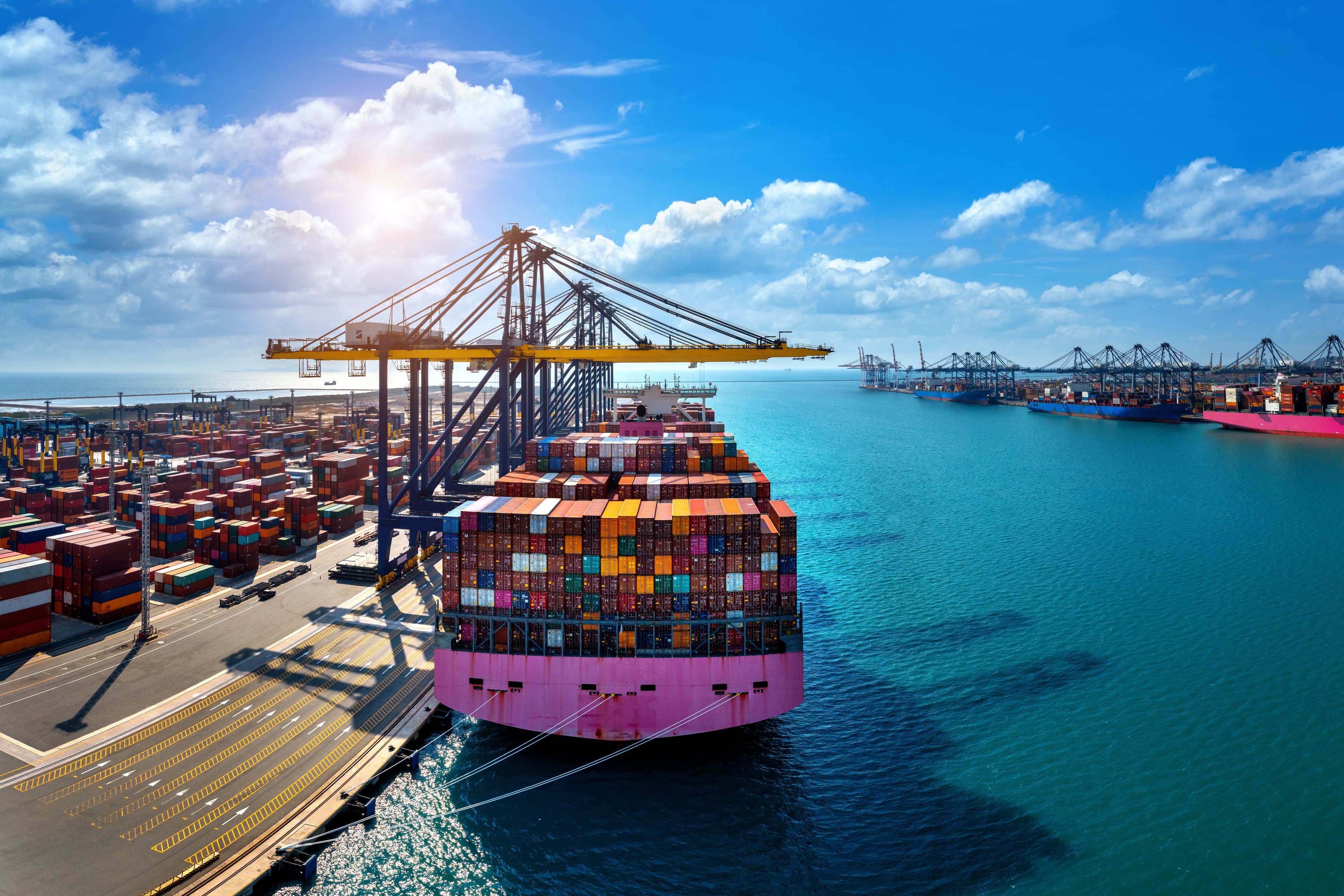
For heavy, bulky or non-urgent cargo, ocean freight is far more economical per kilogram. Full container loads (FCL) give you a dedicated box, while less-than-container loads (LCL) let smaller shippers share space and cost. The trade-off is a longer, less predictable transit time that must be planned into your stock levels.
A simple decision checklist
Ask four questions: How soon is the cargo needed? How valuable is it relative to its weight? Can it tolerate a longer journey? What is the cost of a stock-out? If speed and value dominate, choose air. If volume and cost dominate, choose ocean. Many businesses split shipments, sending a first batch by air and the balance by sea.
The best mode is the one that matches the shipment, not the one that is cheapest on paper. A freight partner can compare both routes side by side before you commit.